
3.2.5. Injuries and Bleeding: Emergency procedures
In elderly individuals, injuries and bleeding require emergency intervention due to increased health risks
associated with age. In such emergencies, prompt and accurate first aid is crucial for controlling the blee
ding and preventing infection risks. The first step is to apply pressure to the bleeding area with a clean cloth
or bandage to stop the bleeding. This pressure should be continuous until the bleeding stops completely.
Additionally, to reduce bleeding and slow the blood flow, the injured area should be elevated above heartlevel.
Cleaning the injured area is also necessary to minimize the risk of infection. After carefully cleaning the
area, it should be covered with a sterile cloth to protect it from external factors. If the injury is severe or if
bleeding cannot be controlled, immediate medical assistance should be sought. Moreover, considering the
risk of tetanus, the individual’s tetanus vaccination status should be checked and updated if necessary.
These conscious and swift interventions make a significant difference in the recovery process and help
prevent complications.
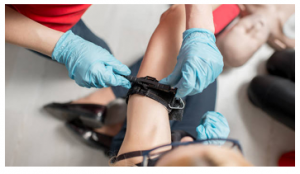
For injuries and bleeding in elderly individuals, the following steps should be taken:,
Stopping the Bleeding: Apply pressure to the bleeding area with a clean cloth or bandage. Maintain the
pressure until the bleeding stops.
• Elevating the Injured Area: Elevate the bleeding area above heart level.
• Cleaning and Covering: Clean the injured area and cover it with a sterile cloth to reduce infection risk.
• Seeking Medical Help: In cases of severe injuries or uncontrolled bleeding, call for medical help imme
diately.
• Tetanus Vaccination: Check the tetanus vaccination status post-injury and update it if necessary